
Honeycomb Cladding Toronto – Lightweight Stone Cladding
Product Overview:
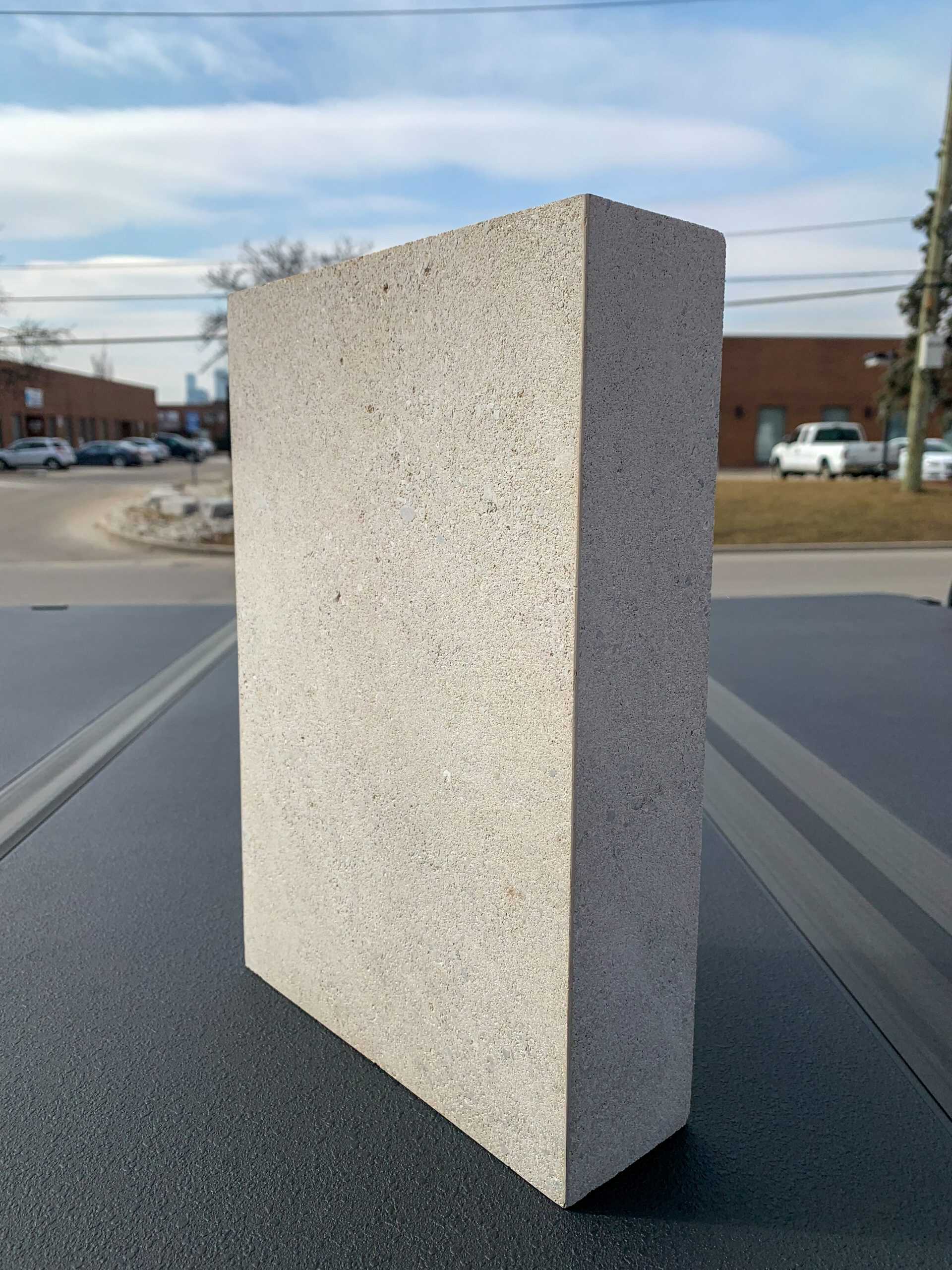
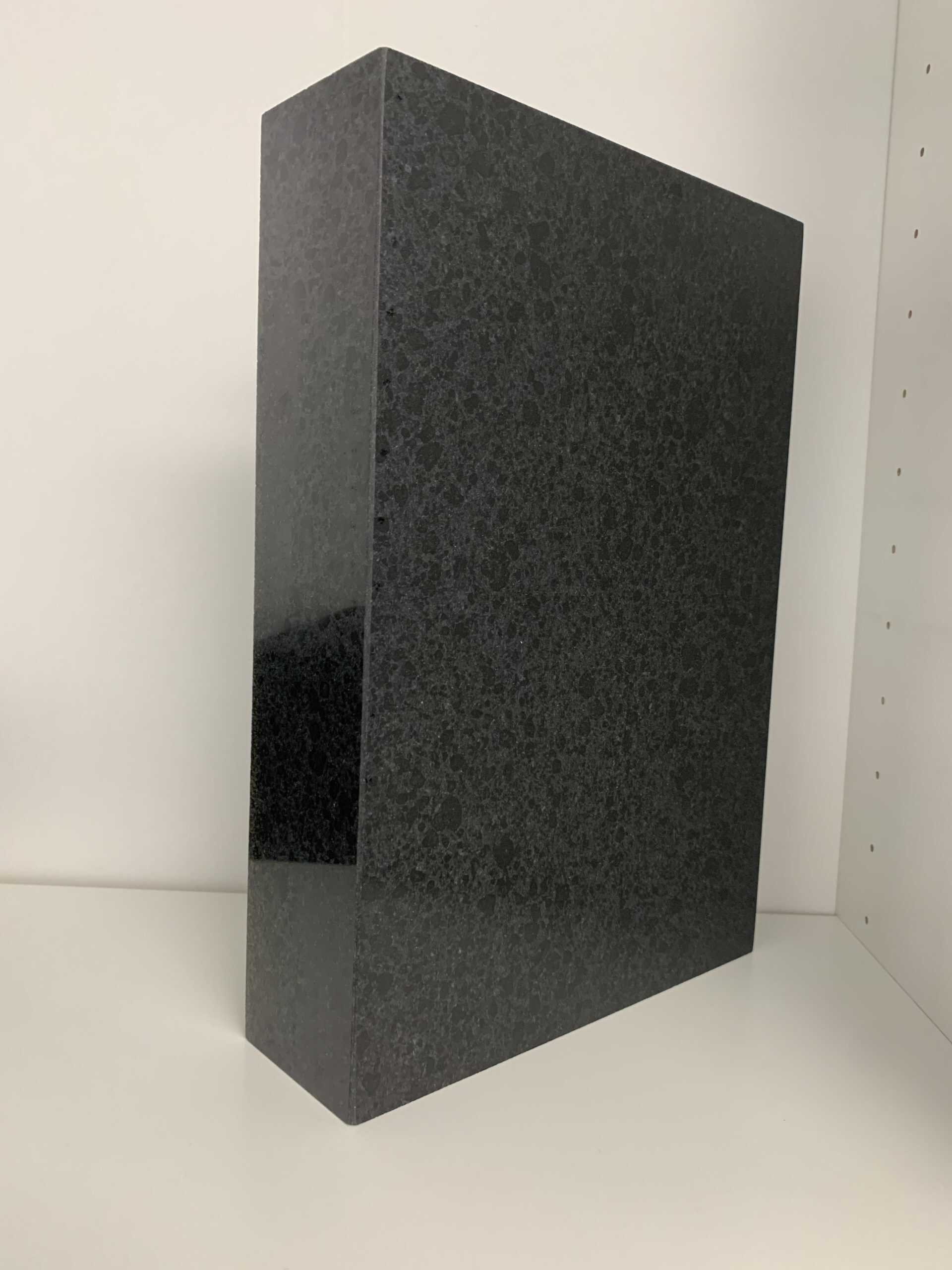
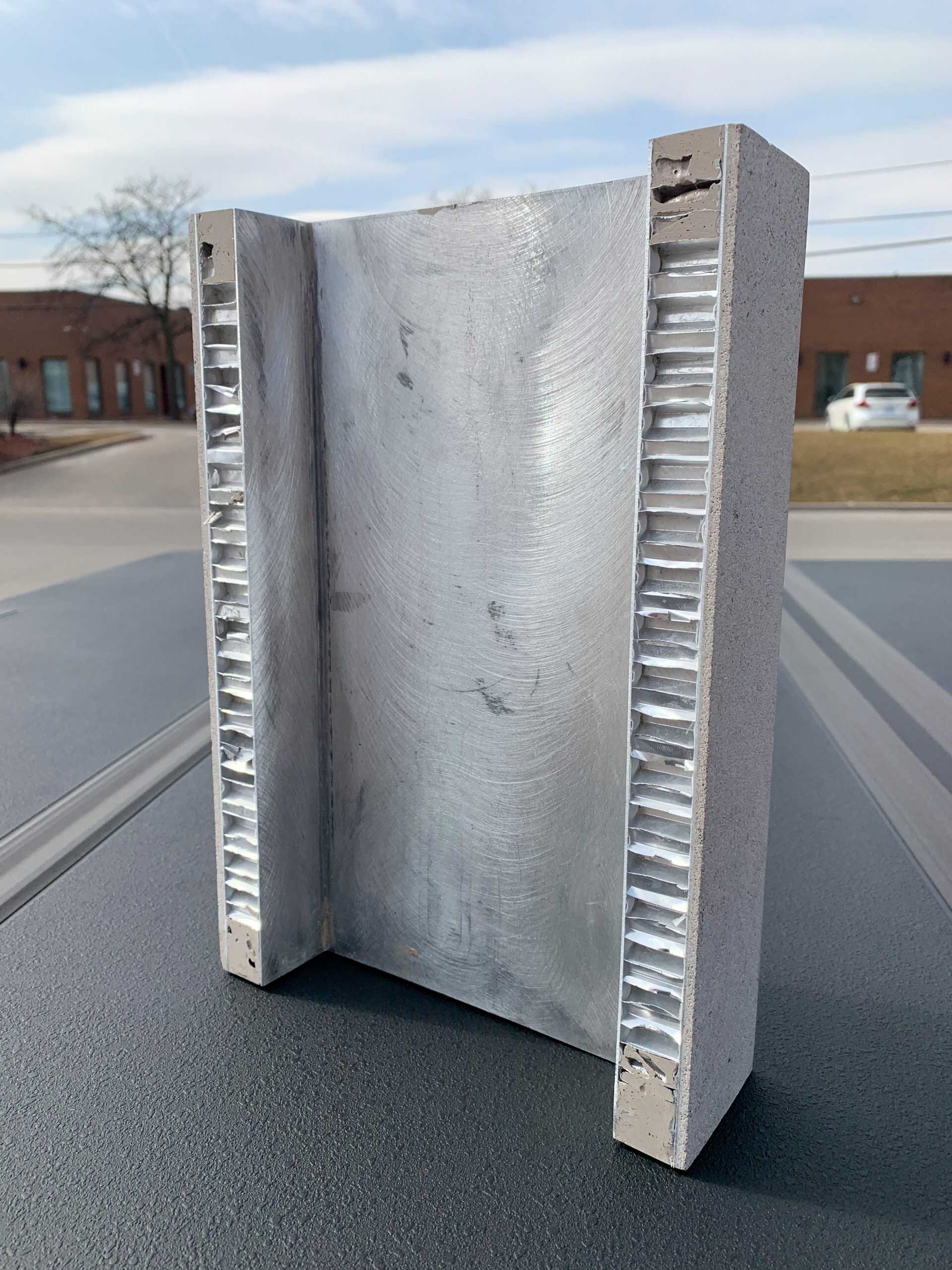
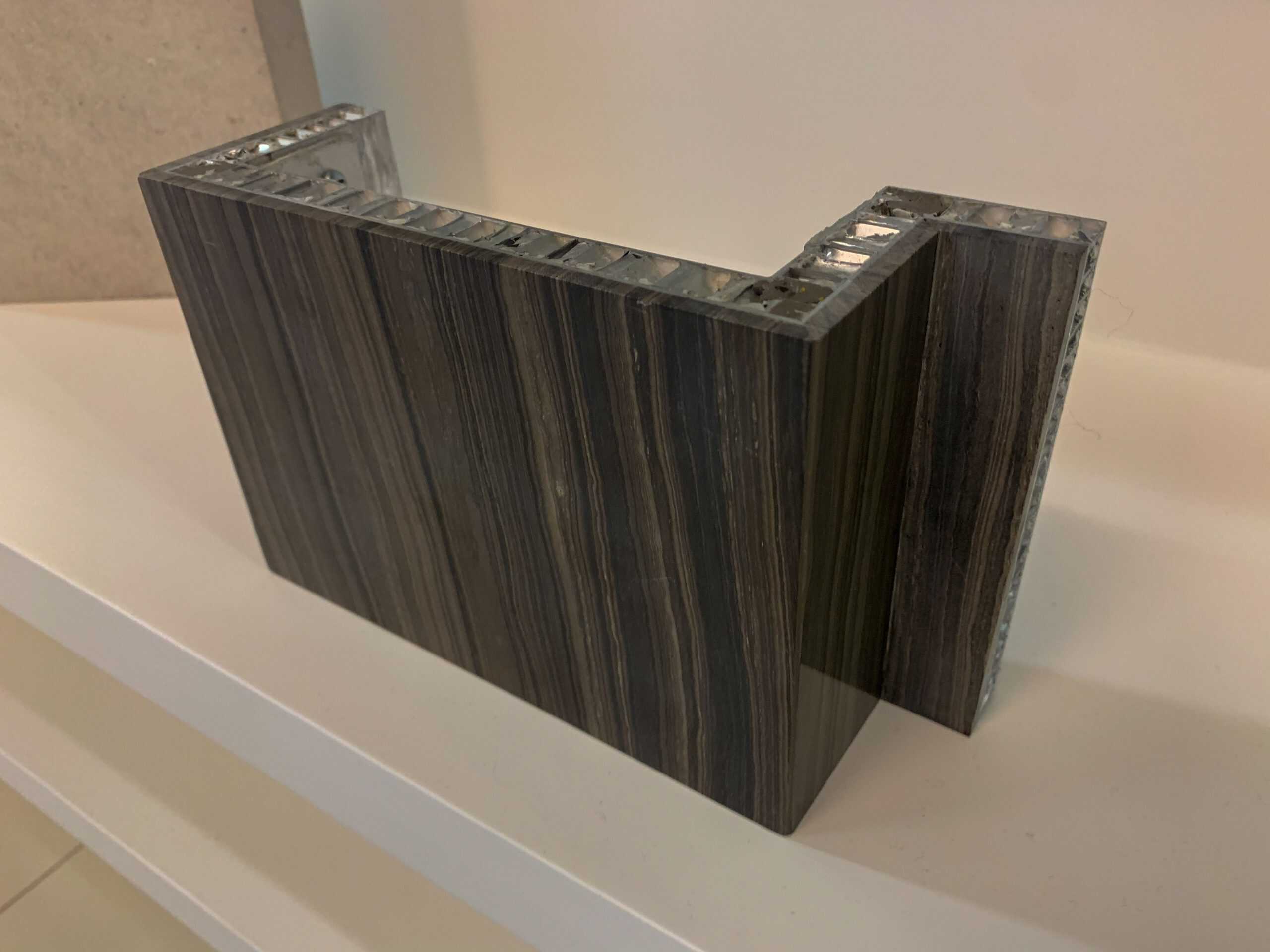
Honeycomb cladding is an advanced architectural solution that combines the beauty of natural stone with modern material performance. These panels feature a thin stone veneer bonded to a lightweight aluminum honeycomb core with high-strength epoxy, resulting in a product that is both aesthetically pleasing and structurally superior.
Quick Links:
I. Best Honeycomb Cladding in Toronto – Lightweight Stone Veneer Cladding
Honeycomb stone cladding involves a composite panel system where a thin layer of natural stone veneer is bonded to an aluminum honeycomb backing. This combination offers the aesthetic appeal of natural stone while significantly reducing weight and enhancing structural performance. Honeycomb cladding has rapidly gained popularity as a top material choice, particularly in the realm of non-combustible, lightweight cladding solutions, due to its superior strength, durability, and modern aesthetic. The panels typically consist of a thin stone veneer (such as granite, marble, travertine, or limestone) bonded with high-strength epoxy to a lightweight aluminum honeycomb core. Weighing only about 3.5 pounds per square foot, they are significantly lighter than traditional stone slabs, reducing transportation and installation costs. The aluminum core enhances impact resistance, flexibility, and thermal stability, minimizing the risk of deformation. Environmentally friendly, these panels use less natural stone and can include recycled aluminum. Ideal for exterior facades, interior walls, elevator interiors, and decorative elements, honeycomb stone laminated cladding offers versatile design options and sustainable building benefits.
II. Features and Benefits of Honeycomb Cladding
-
Lightweight and Strong:
- Reduced Weight: Traditional stone cladding is heavy, often weighing around 27 pounds per square foot. Honeycomb cladding OR Honeycomb stone panels, however, weigh approximately 3.5 pounds per square foot, making them much easier to handle and install.
- High Impact Resistance: The aluminum honeycomb core provides exceptional strength and impact resistance, up to 60 times greater than traditional stone slabs.
-
Durability and Safety:
- Enhanced Durability: The panels in honeycomb cladding system are bonded with aerospace-grade epoxy, ensuring extreme durability and resistance to various environmental factors.
- Fire Safety: In the event of a fire, these panels are less likely to shatter compared to traditional stone, reducing the risk of falling debris and enhancing overall safety.
-
Cost-Effective:
- Lower Installation Costs: The reduced weight leads to lower transportation and installation costs. Faster installation times and less need for specialized labor contribute to overall cost savings.
- Structural Savings: Lighter panels reduce the load on a building’s structure, often resulting in significant savings on structural support materials.
-
Design Flexibility:
- Customization: Stone panels in honeycomb cladding can be custom-fabricated to meet specific design requirements, including various shapes, sizes, and finishes such as polished, honed, flamed, sandblasted, and tooled.
- Versatility: These panels can be used in a wide range of applications, from exterior facades to interior cladding and decorative elements.
-
Environmental Benefits:
- Sustainability: The honeycomb panels can contribute to LEED certification by reducing the amount of natural stone required and improving thermal performance.
- Recycled Content: The aluminum core can contain recycled materials, further enhancing the sustainability of the product.
III. Applications of Honeycomb Cladding
Honeycomb stone panels are incredibly versatile and can be used in various settings, including:
- Exterior Facades: Providing the natural beauty of stone without the weight and structural demands of traditional stone cladding.
- Interior Wall Cladding: Offering an elegant and durable surface for commercial and residential interiors.
- Elevator Interiors and Toilet Partitions: Lightweight honeycomb panels that are easy to install and maintain, providing a high-end look.
- Over-Cladding and Retrofits: Ideal for updating older buildings with a modern, sophisticated appearance.
IV. Installation Process of Honeycomb Cladding Systems
- Fabrication:
-
- The process begins with selecting the desired stone type, color, and finish.
- Large stone blocks are cut into slabs and bonded to the aluminum honeycomb core using high-strength epoxy.
- The composite panels are then cut to size, finished, and customized according to the project requirements.
- Attachment:
- Panels are typically attached using Z-clips, interlocking channels, or concealed screws.
- This attachment method ensures secure and easy installation, suitable for various building structures.
V. Comparative Analysis of Honeycomb Cladding vs. Other Alternatives
1. Honeycomb Cladding
- Material Composition: Typically consists of aluminum or stainless steel with a core resembling a honeycomb structure, offering excellent rigidity and strength while keeping the weight low.
- Advantages:
- Extremely lightweight yet strong.
- Superior thermal insulation and soundproofing.
- Non-combustible, making it ideal for fire-resistant applications.
- Environmentally friendly due to its recyclability.
- Highly resistant to weather and corrosion.
- Applications: Commonly used in high-rise buildings, airports, and commercial spaces due to its sleek, modern appearance.
- Disadvantages:
- Generally more expensive than traditional cladding materials.
2. ACM (Aluminum Composite Material) Panels
- Material Composition: Comprises two thin layers of aluminum with a polyethylene core, though fire-resistant cores are also available.
- Advantages:
- Lightweight and easy to install.
- A wide variety of finishes and colors available.
- Durable and resistant to corrosion and harsh weather conditions.
- Economical compared to many other materials.
- Applications: Used in both commercial and residential buildings, particularly for facades and signage.
- Disadvantages:
- The polyethylene core can be combustible, though fire-resistant variants are available.
- Can dent or warp under extreme impact or temperatures.
3. Metal Cladding
- Material Composition: Includes materials like aluminum, steel, or zinc.
- Advantages:
- Strong, durable, and resistant to impact and weather.
- Modern aesthetic with a variety of finishes.
- Non-combustible, making it suitable for fire-safe constructions.
- Applications: Used in both industrial and architectural applications for facades and roofing.
- Disadvantages:
- Can be heavier than honeycomb or ACM panels.
- Susceptible to corrosion if not properly treated (particularly steel).
- Limited insulation properties compared to honeycomb cladding.
4. Cement Boards
- Material Composition: Made from a combination of cement, sand, and cellulose fibers.
- Advantages:
- Highly durable and impact-resistant.
- Non-combustible, making it fire-resistant.
- Cost-effective compared to more high-end materials.
- Applications: Frequently used in residential construction, particularly for exterior cladding and as a base for tile.
- Disadvantages:
- Heavier than honeycomb or ACM panels, making installation more labor-intensive.
- Can be prone to cracking over time, especially in areas with high thermal expansion.
5. Natural Stone Cladding
- Material Composition: Real stone, typically marble, granite, limestone, or sandstone.
- Advantages:
- Aesthetically striking and gives a luxurious appearance.
- Extremely durable and long-lasting.
- Adds significant value to a property.
- Applications: Used in high-end residential and commercial properties for facades, fireplaces, and interior accent walls.
- Disadvantages:
- Very heavy, requiring more structural support and labor during installation.
- Expensive, both in material cost and installation.
- Limited thermal insulation and energy efficiency.
6. Precast Concrete Panels
- Material Composition: Made by casting concrete in a reusable mold, then curing it and transporting the finished panel to the construction site.
- Advantages:
- Extremely durable and resistant to impact, weather, and fire.
- Provides excellent thermal mass, offering superior insulation and energy efficiency.
- Can be custom-made to various shapes, sizes, and finishes, providing design flexibility.
- Offers excellent sound insulation properties.
- Applications: Commonly used in large commercial buildings, parking structures, and infrastructure projects.
- Disadvantages:
- Heavy and requires substantial structural support.
- Installation is labor-intensive and may involve higher transportation and handling costs.
- Limited aesthetic options compared to other materials unless custom finishes are applied.
VI. Conclusion
Honeycomb stone cladding systems offer a contemporary solution to the challenges of traditional stone cladding. By providing a lightweight, durable, and aesthetically pleasing option, these panels meet the needs of modern architects and builders, combining the timeless beauty of natural stone with the efficiency and strength of advanced materials. Whether for new constructions or retrofits, honeycomb stone cladding is setting a new standard in the building industry.
Technical Details:
Related products
-

- Timber Cladding
Wood Siding, Faux Wood Siding & Timber Cladding in Toronto
- Modern Rainscreen Cladding Systems
Precast Concrete Wall Panels
-
 Modern Rainscreen Cladding Systems
Aluminum Plate Panels | Non-combustible Metal Panels Toronto
Reviews
There are no reviews yet.