
Premium Insulated Metal Panels (IMPs) in Toronto: Best Insulated Metal Panels – Unmatched Efficiency and Durability for Modern Construction
Product Overview:
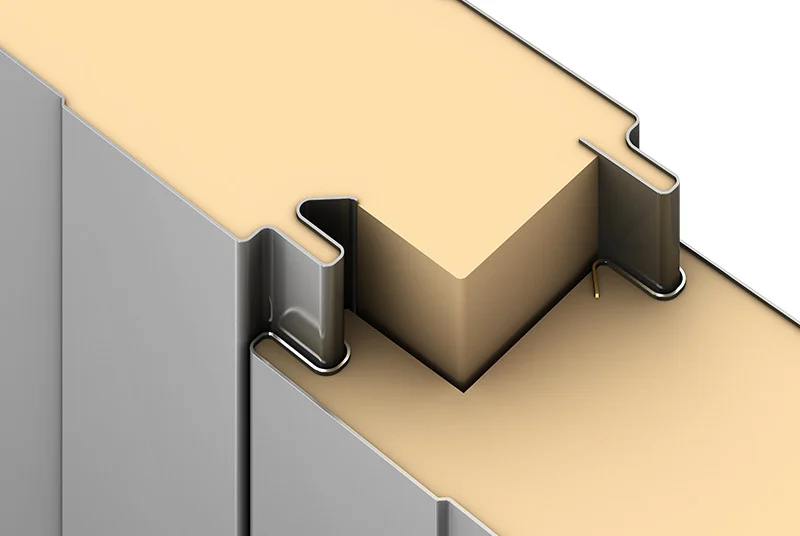
Insulated Metal Panels (IMPs) are innovative building materials that combine high-performance insulation with structural durability in a single, prefabricated unit. Composed of two metal facings around a rigid foam core, IMPs offer exceptional thermal efficiency, fire resistance, and design flexibility. Ideal for commercial, industrial, and institutional projects, IMPs provide a cost-effective solution that enhances energy efficiency, reduces construction time, and delivers a sleek, modern aesthetic for building exteriors and interiors.
Quick Links:
Insulated Metal Panels | Unmatched Efficiency & Durability for Modern Construction
In today’s construction landscape, Insulated Metal Panels (IMPs) have emerged as a go-to solution for architects, builders, and property owners who prioritize efficiency, durability, and aesthetics. As a unique blend of insulation and structural support, IMPs streamline building processes and enhance thermal performance, making them ideal for energy-efficient, eco-friendly construction projects.
General Information
IMPs are versatile cladding materials, composed of two layers of high-strength metal enclosing a rigid foam core that provides superior insulation. This structure is not only highly effective in controlling indoor temperatures, reducing energy costs, and improving building comfort but also serves as a visually appealing exterior. IMPs come in a variety of textures, finishes, and colors, allowing design flexibility to meet various architectural styles.
Installation Guide
Proper installation of Insulated Metal Panels (IMPs) is crucial to ensure their durability, energy efficiency, and aesthetic appeal. At Cladders, we specialize in delivering precise and professional installation that guarantees thermal integrity and weather resistance. With our expertise, you can trust us to achieve a flawless finish that enhances your building’s performance and appearance. Choose Cladders for reliable, high-quality cladding solutions.
Technical Information
When working with Insulated Metal Panels (IMPs), having access to accurate data sheets and technical safety information is essential. These resources provide critical details about material specifications, thermal performance, fire ratings, and proper handling guidelines. At Cladders, we prioritize safety and precision, ensuring that all installations align with the latest technical standards and regulatory requirements. expectations.
Explore how our high-performance insulated metal panels can transform your next project with unmatched strength, efficiency, and aesthetic appeal. Discover why IMPs are an investment in both long-term energy savings and architectural beauty. Trust our expertise to navigate the complexities of IMPs and deliver results that meet both performance and safety
In-Depth Explanation of Insulated Metal Panels (IMPs)
What Are Insulated Metal Panels?
Insulated Metal Panels (IMPs) are a state-of-the-art building material designed to deliver both insulation and structural strength in a single unit. They are constructed using two metal facings, typically steel or aluminum, which sandwich a rigid foam core. This configuration offers exceptional durability, thermal performance, and fire resistance while simplifying the construction process by combining multiple functionalities in one material.
IMPs are valued for their energy efficiency, design flexibility, and ease of installation, making them a popular choice for a variety of building applications, from commercial and industrial facilities to institutional structures. Their lightweight nature and modular design also allow for faster assembly, reducing construction timelines and labor costs.
How Are Insulated Metal Panels Made?
Each panel is composed of:
- Exterior Metal Facings: High-strength steel or aluminum layers that provide weather resistance, fire protection, and structural support.
- Insulating Foam Core: The foam core minimizes heat transfer, offering high thermal efficiency, sound insulation, and added rigidity.
The foam core is the heart of the panel’s insulating capability, available in different types to meet specific performance and budgetary needs.
Types of Foam Core Material
IMPs are manufactured with a variety of core materials, each providing distinct benefits. Here’s a comparison of the most common core types used in IMPs:
| Foam Core Type | Material | Benefits | Applications |
|---|---|---|---|
| Expanded Polystyrene (EPS) | Lightweight plastic foam with high insulation value | Cost-effective, good insulation, water-resistant | Ideal for commercial and residential use |
| Polyurethane (PUR) | Dense, highly effective insulating material | Excellent thermal resistance, fire-resistant | Used in colder climates, storage facilities |
| Polyisocyanurate (PIR) | Enhanced version of polyurethane, offering superior fire resistance | Highest insulation rating, better fire resistance than PUR | Suitable for industrial, commercial projects requiring fire safety |
Expanded Polystyrene (EPS) Core
EPS is a lightweight foam material known for its affordability and insulation performance. It is made from expanded polystyrene beads, which are molded to create a consistent foam core. EPS offers strong thermal resistance and is resistant to water and moisture, making it an economical choice for many construction projects.
- Pros: Cost-effective, water-resistant, high insulation value.
- Ideal For: Commercial, residential, and light industrial applications.
Polyurethane (PUR) Core
PUR is a denser foam than EPS, providing enhanced insulation properties and contributing to the panel’s overall fire resistance. Polyurethane IMPs are especially effective in colder climates or facilities requiring controlled environments, like food storage or laboratories.
- Pros: Superior thermal resistance, effective insulation in extreme temperatures.
- Ideal For: Industrial applications, refrigerated facilities, buildings in colder climates.
Polyisocyanurate (PIR) Core
PIR is a modified version of polyurethane that provides the highest level of fire resistance and insulation among foam cores. Its superior performance in fire testing makes it the preferred choice for applications where fire safety is paramount, such as in high-risk industrial facilities or large commercial complexes.
- Pros: Highest insulation rating, exceptional fire resistance, strong durability.
- Ideal For: High-risk industrial and commercial projects, buildings requiring strict fire safety standards.
Manufacturing Process of IMPs
IMPs are produced through a process called continuous or discontinuous lamination:
- Continuous Lamination: Involves feeding metal sheets and foam continuously through a rolling machine, producing long, unbroken panels. This method ensures consistency and is ideal for large-scale projects.
- Discontinuous Lamination: Involves pressing pre-cut metal sheets and foam layers together in batches, allowing for greater flexibility in panel thickness and dimensions.
Both methods ensure high-quality, durable panels that meet industry standards and project-specific requirements.
Benefits of Insulated Metal Panels (IMPs)
Insulated Metal Panels (IMPs) are renowned for their versatility and performance, delivering significant benefits that enhance the functionality, sustainability, and aesthetic appeal of a building. Below, we’ll explore the primary benefits in detail:
1. Exceptional Thermal Efficiency
One of the standout features of IMPs is their high thermal efficiency, achieved through a foam core that minimizes heat transfer. This insulating quality is particularly beneficial in climates with extreme temperatures, helping to maintain a consistent indoor environment and reduce the demand on heating and cooling systems.
- Energy Savings: IMPs can reduce energy costs by up to 30%, leading to long-term savings on heating and cooling expenses.
- Enhanced Indoor Comfort: The thermal stability provided by IMPs helps maintain comfortable indoor temperatures throughout the year.
2. Fast and Efficient Installation
IMPs are designed as prefabricated, lightweight panels, which speeds up the construction process and reduces on-site labor costs. Their modular design allows for quick installation, making them ideal for projects on tight timelines.
- Reduced Labor Costs: With panels that are easy to handle and install, IMPs minimize the need for extensive manpower.
- Shorter Project Timelines: IMPs allow builders to complete projects faster than traditional methods, which can translate to additional cost savings.
3. Superior Structural Integrity and Durability
The strong metal facings of IMPs provide impact resistance and weather protection, making them highly durable against elements like wind, rain, and snow. IMPs maintain their integrity over time, even in harsh conditions, which is essential for buildings requiring long-lasting structural support.
- Longevity: IMPs have a lifespan of 40 years or more, ensuring a long-term solution for cladding and insulation.
- Impact Resistance: The robust exterior layers protect against dents, corrosion, and physical damage, providing a low-maintenance cladding option.
4. Fire Resistance and Safety
IMPs offer impressive fire resistance, especially when made with materials like PIR cores that are designed to meet strict fire safety standards. Many IMPs are tested and certified to comply with NFPA codes, providing additional peace of mind for property owners and occupants.
- Fire-Rated Options: Panels with PIR or mineral wool cores have high fire ratings, making them suitable for facilities with stringent fire safety requirements.
- Non-Combustible Metal Exterior: The metal facings resist combustion and protect the foam core from exposure to fire.
5. Design Versatility and Aesthetic Appeal
IMPs offer remarkable design flexibility, available in a variety of textures, colors, and finishes. This versatility allows architects and designers to choose from an array of styles that can complement any building aesthetic, from sleek modern facades to traditional exteriors.
- Customizable Appearance: IMPs can be fabricated in various finishes, including smooth, ribbed, and embossed, to match specific design needs.
- Color and Texture Options: A broad palette of colors and textures allows for creative customization, helping buildings stand out or blend in with their surroundings.
6. Sustainable and Environmentally Friendly
IMPs are increasingly popular for sustainable building projects due to their energy efficiency, recyclable materials, and low environmental impact. By improving thermal efficiency, IMPs reduce a building’s energy footprint and contribute to lower greenhouse gas emissions.
- Recyclable Materials: Both the metal facings and foam core can often be recycled, making IMPs a greener building choice.
- Reduced Carbon Footprint: Energy savings achieved through superior insulation help decrease the overall environmental impact of the building.
Real-World Impact: IMPs in Action
A recent study found that commercial buildings using IMPs for cladding experienced annual energy savings of 20-30%, along with reduced maintenance costs due to the panels’ durability. These results highlight the substantial long-term value that IMPs bring to property owners.
Summary of IMP Benefits
| Benefit | Description |
|---|---|
| Thermal Efficiency | Reduced energy costs and consistent indoor temperatures year-round. |
| Quick Installation | Modular, prefabricated panels save time and labor costs. |
| Durability | Long-lasting, impact-resistant panels that withstand harsh weather conditions. |
| Fire Safety | High fire ratings for added safety in industrial and commercial buildings. |
| Design Flexibility | Wide variety of colors, textures, and finishes for custom aesthetics. |
| Sustainability | Energy-efficient and recyclable materials reduce the building’s carbon footprint. |
IMPs provide an all-in-one solution that enhances efficiency, aesthetic appeal, and structural strength in a wide range of applications, making them a top choice for modern construction. Let’s discuss how insulated metal panels can elevate your project with unmatched performance and style.
Installation and Maintenance of Insulated Metal Panels (IMPs)
Installing insulated metal panels (IMPs) is straightforward due to their prefabricated, modular design. With the right techniques and routine maintenance, these panels can provide lasting performance and aesthetic appeal for decades. This section will guide you through the key aspects of installation and maintenance for IMPs.
Installation Guide: Step-by-Step Process
- Preparation and Planning
- Site Preparation: Ensure the installation area is clean, dry, and level. IMPs should be handled carefully to avoid any scratches or dents during transportation and handling.
- Measurement and Panel Layout: Take accurate measurements and plan the layout based on design specifications. Lay out the panels on paper or digitally to ensure optimal fit and alignment.
- Setting Up the Base
- Starter Panel Installation: Begin with a base or starter panel at the bottom of the wall or roof. This initial panel sets the alignment for the entire installation, so precision is essential.
- Sealant Application: Apply sealant to the edges to create a weather-tight seal, preventing moisture intrusion. Follow manufacturer recommendations for the type of sealant best suited to the panel materials and climate.
- Panel Placement and Fastening
- Interlocking Panels: Align each panel with the previous one, using their built-in interlocking edges. This interlocking system ensures a tight, secure fit and minimizes thermal bridging.
- Fasteners: Use manufacturer-recommended fasteners, as improper fasteners may compromise the structural integrity of the panels. These fasteners should be driven in carefully to avoid puncturing or damaging the foam core.
- Inspecting Alignment and Sealing
- Alignment Check: Verify that each panel is level and aligned as you progress with installation. Even minor misalignments can impact the visual consistency and thermal performance.
- Final Sealing: Apply additional sealant around panel joints, fastener heads, and edges as needed for extra weather protection.
- Finishing Touches
- Edge and Corner Treatments: Use trim or flashing to cover exposed edges and corners, adding a polished look and further protection against moisture infiltration.
- Clean-Up: Remove any excess sealant or construction debris and inspect for any signs of scratches or dents that may have occurred during installation.
Maintenance Tips for Long-Lasting Performance
With minimal but regular maintenance, insulated metal panels can retain their structural integrity and aesthetic appeal for years. Here’s how to keep your IMPs in peak condition:
- Routine Cleaning
- Surface Cleaning: Clean the panels with a mild detergent solution and soft brush or cloth to remove dirt, pollutants, or debris. Avoid harsh chemicals or abrasive materials, as they can damage the protective coating.
- Frequency: Ideally, clean the panels twice a year or more frequently in areas prone to high pollution, salt, or heavy dust.
- Inspecting for Damage
- Regular Inspections: Inspect the panels annually for any signs of dents, scratches, corrosion, or sealant degradation. Damaged areas can compromise the insulation and overall performance of the panels.
- Addressing Scratches or Dents: Use touch-up paint on minor scratches to prevent rusting. For more significant damage, consider replacing affected panels.
- Sealant and Fastener Maintenance
- Sealant Check: Over time, sealants may degrade due to exposure to weather. Inspect all seals, especially around joints, corners, and fasteners, and reapply as necessary.
- Fastener Tightening: Ensure that all fasteners remain tight, especially in areas exposed to vibrations or extreme weather. Loose fasteners can affect the panel’s alignment and stability.
- Preventative Measures for Longevity
- Protective Barriers: In areas with high foot traffic or where panels are prone to impact (e.g., near loading zones), consider installing protective barriers to prevent physical damage.
- Snow and Ice Removal: For IMP roofs, clear snow and ice regularly to prevent excessive weight and possible water intrusion from melting ice.
- Professional Maintenance Inspections
- Annual Maintenance Contracts: Consider professional maintenance inspections, particularly for large buildings. These services can detect early signs of wear and help ensure that the panels are performing optimally.
- Warranty Compliance: Follow the maintenance guidelines recommended by the manufacturer to keep your IMPs within warranty terms, preserving your investment.
Why Proper Installation and Maintenance Matter
Correct installation and regular maintenance of IMPs ensure maximum thermal efficiency, structural stability, and visual appeal. These practices not only extend the lifespan of the panels but also help avoid costly repairs or replacements. With careful attention to installation and proactive maintenance, your IMPs will remain a reliable, energy-efficient cladding solution for decades.
Frequently Asked Questions about IMPs
Insulated Metal Panels (IMPs) are a popular choice for building envelopes due to their durability, energy efficiency, and ease of installation. Here are some frequently asked questions to provide concise technical information about IMPs:
1. What are Insulated Metal Panels (IMPs)?
Insulated Metal Panels (IMPs) are advanced construction materials composed of two metal layers—usually steel or aluminum—sandwiching a rigid insulating core. They offer an all-in-one solution by combining structural strength, thermal insulation, and a finished surface, suitable for both walls and roofs.
2. What types of insulation are used in IMPs?
IMPs commonly feature insulation cores made of:
- Polyurethane (PUR)
- Polyisocyanurate (PIR)
- Expanded Polystyrene (EPS)
Each type provides varying levels of thermal efficiency and fire resistance.
3. How do IMPs improve energy efficiency?
IMPs are designed with continuous insulation, which minimizes thermal bridging. This helps reduce heat transfer, making buildings more energy-efficient by lowering heating and cooling costs.
4. Are IMPs durable?
Yes, IMPs are highly durable and can resist harsh weather conditions, including heavy rain, snow, and hail. They are also resistant to pests, mold, and mildew, offering a long lifespan with minimal maintenance.
5. Are IMPs suitable for temperature-sensitive environments like cold storage?
Absolutely. IMPs are a top choice for cold storage facilities, thanks to their exceptional insulating properties. Their thickness can be customized to meet specific temperature control requirements.
6. How do IMPs speed up construction projects?
Because IMPs are prefabricated with integrated structural, insulation, and surface layers, they can be installed faster than traditional construction materials. This reduces both labor costs and overall project timelines.
7. What design options do IMPs offer?
IMPs are available in a wide range of colors, finishes, and profiles, allowing for creative architectural designs. They provide both functional performance and aesthetic flexibility.
8. How do IMPs perform in terms of fire safety?
IMPs are manufactured using fire-resistant materials and tested to meet strict fire codes. Their fire performance varies depending on the type of insulation core and panel thickness.
9. Can IMPs be used in residential construction?
Yes, IMPs are suitable for residential applications. They combine energy efficiency, durability, and design options, making them an excellent choice for modern homes.
10. What kind of maintenance do IMPs require?
IMPs are low-maintenance materials. Routine cleaning and periodic inspections are typically sufficient to ensure their long-term performance and appearance.
Conclusion
Insulated Metal Panels (IMPs) offer a superior cladding solution, combining exceptional insulation, structural integrity, and design flexibility. Whether your project involves commercial, industrial, or institutional construction, IMPs provide unmatched benefits, including enhanced energy efficiency, fire resistance, and sustainability. By choosing insulated metal panels, you’re investing in a building material that supports long-term cost savings, aesthetic value, and environmental responsibility.
Ready to Explore Insulated Metal Panels for Your Project?
At Cladders, we specialize in providing high-quality insulated metal panels and expert design services tailored to meet the unique demands of every project. With a commitment to precision, performance, and customer satisfaction, our team is here to help bring your vision to life with premium materials and comprehensive support.
Contact Us Today to discuss how insulated metal panels can elevate your project. Our specialists are ready to assist with everything from material selection and customization to installation guidance and maintenance support.
- Request a Consultation: Connect with us online or call us at (416) 649-6550.
- Visit Our Portfolio: Discover how Cladders has helped clients achieve their architectural goals with innovative cladding solutions.
- Get a Quote: Reach out for a detailed quote tailored to your project’s specifications.
Experience the Cladders difference in quality and service—let’s create something exceptional together!
Technical Details:
| Core Material | Polyisocyanurate (PIR): high thermal performance, improved fire behavior |
|---|---|
| Panel Thickness | 50mm (2”) / 75mm (3”) / 100mm (4”) / 150mm (6”) / 200mm (8”) |
| Metal Facing | Exterior / Interior Facing: |
| Surface Profile/Finish Options | Smooth, Ribbed / Striated, Embossed |
| Gauge/Thickness: | 0.5mm – 0.7mm (22–26 gauge typical) |
| Thermal Performance (R-Value) | PIR / PUR Panels: R-6 to R-8 per inch |
| Fire Performance | PIR / PUR: |
| Acoustic Performance | Sound Transmission Class STC: 25–32 (standard panels) |
| Air, Water & Structural Performance | Air Infiltration: ≤ 0.04 cfm/ft² @ 1.57 psf (ASTM E283) |
| Standards and Certifications | ASTM E84 (Surface Burning), FM Approved, LEED compliant, NFPA 285, UL 263 |
| Joint System & Air Barrier | Concealed fastener system / Factory-engineered tongue-and-groove joints / Integrated air/vapour barrier performance |
Related products
-
 Modern Rainscreen Cladding Systems
Exterior Wall Assembly Systems: Weather Barriers, Cladding Support Systems & Insulation
-
- Modern Rainscreen Cladding Systems
Aluminum Siding Toronto
- Metal Cladding
Corrugated Metal Wall Panels
1 review for Premium Insulated Metal Panels (IMPs) in Toronto: Best Insulated Metal Panels – Unmatched Efficiency and Durability for Modern Construction
C L A D D E R S ™ Support Team –
Hello everyone,
Here you can write reviews and comments for our Insulated Metal Panels and our awesome installation services. Positive reviews from awesome clients like you would help our new customers to feel confident about working with us as their trusted siding contractor in Canada. Thank you for taking the time to provide your highly appreciated feedback.
Kind Regards